
How to Use Kratom Extract: A Beginner’s Guide to Safe, Effective Methods
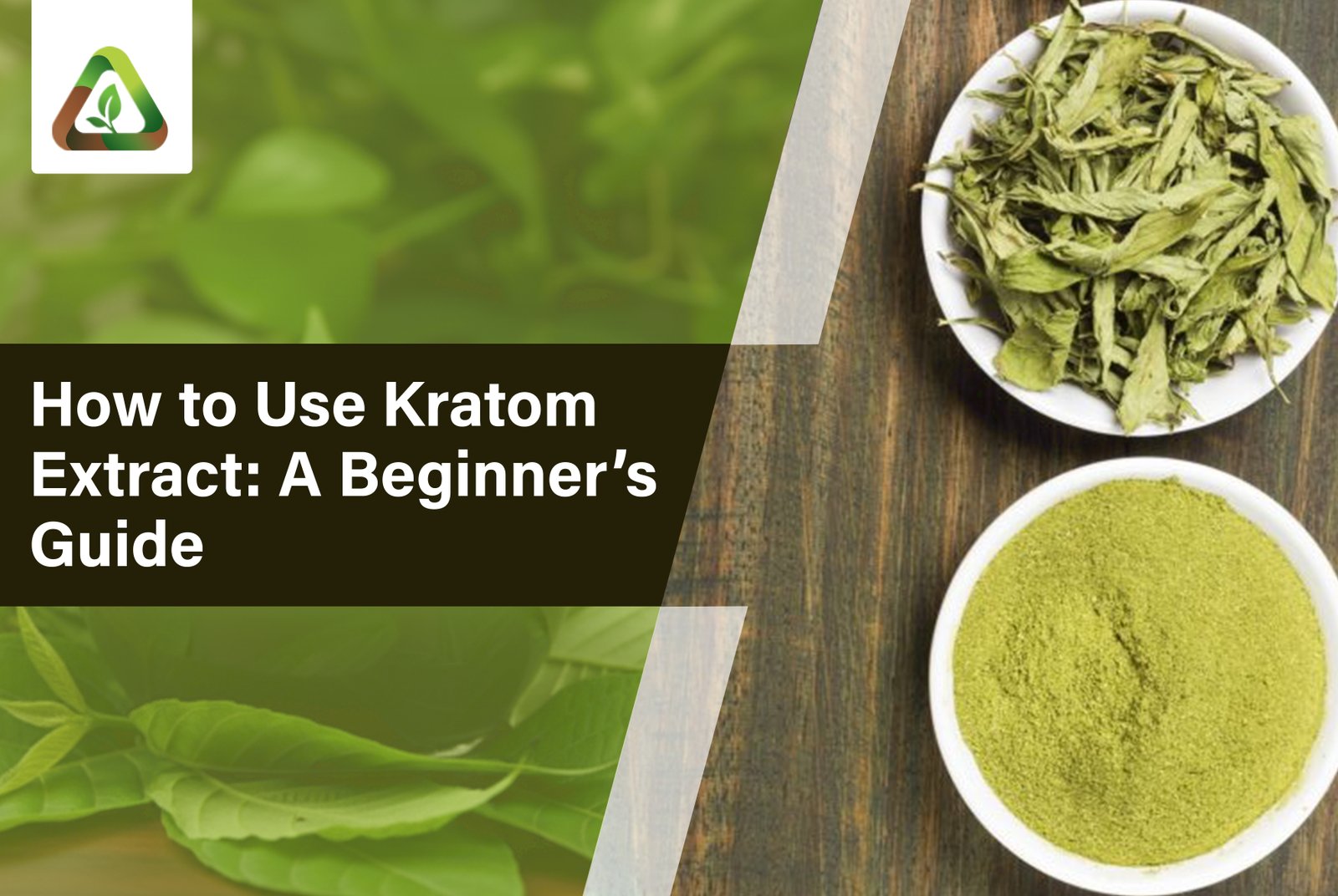
If you’ve been curious about Kratom Extract but aren’t sure where to start, you’re in good company. Extracts can feel intimidating — they’re stronger, more concentrated, and definitely not something you want to “wing.” The good news? Once you understand the basics, using them safely becomes a whole lot clearer.
This beginner’s guide breaks everything down: methods, dosing principles, onset and duration, safety tips, and how to choose reliable products. Think of it as the “read this before anything else” roadmap.
What you’ll learn:
- The different ways people use extracts
- How dosing works (and why starting tiny matters)
- Onset & duration by method
- Safety, interactions, and sourcing
What Is Kratom Extract?
Kratom extract is essentially a concentrated form of kratom leaf, created by reducing large quantities of raw material into a much smaller — and far more potent — final product. While regular leaf powder offers the natural alkaloid profile of Mitragyna speciosa, extracts amplify those compounds by removing plant material and increasing alkaloid density.
Extracts typically come in a few forms:
- Tincture: liquid form, often alcohol or glycerin based
- Resin/paste: thick, tar-like concentrate
- Supercritical extracts: created through advanced CO₂ extraction
- Powdered concentrate: dried version of the liquid extract
Potency varies wildly — not just between extract types, but also between vendors. Some extracts are mild (2x leaf strength), while others can be significantly stronger. Studies have shown that concentrated extracts can contain alkaloid levels multiple times higher than plain leaf, though exact ranges depend on the extraction method and testing standard.
How Kratom Extract Works
Kratom extracts work through the same active alkaloids found in the leaf — mainly mitragynine and 7-hydroxymitragynine. These compounds interact with receptors in the body that influence mood, energy, and discomfort perception. Extracts simply deliver these alkaloids in a denser, more targeted way.
Different methods affect onset and duration:
- Sublingual tincture: fastest onset
- Resin / paste: moderately fast
- Powdered extract in drinks: medium
- Capsules: slowest onset due to digestion time
When you see phrases like mitragyna speciosa extract, alkaloid concentration, or onset time, they’re all part of this bigger picture: how fast it works and how long it lasts.
Legality & Safety Overview
Before anything else, check the legal status of kratom in your state, region, or country. Laws shift, and you don’t want to be caught off guard.
Other safety basics worth knowing:
- Avoid extracts if you’re pregnant, breastfeeding, or on certain medications.
- Talk to a healthcare professional if you have health conditions or take prescription drugs.
- Stick to age restrictions and local regulations.
- Always choose vendors with transparent testing and COAs.
Some regions publish regulatory updates through public health agencies — checking these occasionally is a good habit.
How to Use Kratom Extract — Method-Wise Guide
You don’t need every method. You need the one that fits your comfort level, your preferences, and your tolerance. Let’s break them down.
Tinctures & Sublingual Drops
What it is: concentrated liquid extract.
How to take:
Place drops under the tongue and hold for 30–90 seconds. Sublingual use absorbs faster than swallowing.
Dosing:
Start with a very small fraction of the bottle’s recommended amount. Extracts hit harder and faster.
Onset/duration:
Fast onset; moderate duration.
Pros: precise dosing, faster effects.
Cons: strong taste, alcohol content in some formulas.
Resin & Extract Paste
What it is: thick concentrate with dense alkaloids.
How to take:
Break off a tiny piece (micro-size) and dissolve in warm water, tea, or swallow directly if you can tolerate it.
Notes:
Resin tends to be more potent—go slow.
Pros: long shelf life, strong.
Cons: easy to overdo if you eyeball doses.
Powdered Concentrate
What it is: dried extract powder.
How to take:
Mix into juice or a smoothie for taste masking, or put it into capsules.
Tips:
Use a milligram scale. Guessing is how beginners get into trouble.
Capsules
What it is: pre-measured extract in capsule form.
How to take:
Swallow with water and wait — capsules take longer to absorb.
Pros: great for beginners, straightforward dosing.
Cons: slow onset; converting leaf doses to extract doses requires understanding the potency ratio.
Microdosing Strategies
Microdosing is all about extremely small amounts to support daily functioning without noticeable psychoactive effects. Many beginners choose tinctures or capsules because they offer consistent, tiny doses.
Monitor: tolerance, mood, focus, and any physical changes.
Stacking & Combining
Stacking means combining kratom extract with other herbs or supplements. Be careful — interactions are not always predictable.
Avoid combining extracts with:
- alcohol
- opioids
- benzodiazepines
- CNS depressants
- MAOIs
- certain antidepressants
If you’re taking medications, talk to a doctor first. That’s not overkill — that’s smart.
Alternative / Non-Recommended Methods
Some online spaces talk about vaping extracts or even more extreme routes. Hard no. These methods can be harsh, unsafe, and unpredictable.
Stick to traditional oral/sublingual methods only.
Dosage Guide & Practical Tips
Instead of fixating on numbers, use this framework:
- Start low, go slow
- Keep a dose log
- Use a scale for concentrates
- Avoid daily high dosing to reduce tolerance
- Know that weight, metabolism, and alkaloid concentration all change how an extract feels
- Remember: extract potency × leaf dose = rough conversion, but verify with vendor testing
Tools that help:
A milligram scale, oral syringes, small measuring spoons, capsule fillers.
Effects, Benefits & Timeline
Different methods = different timelines.
- Sublingual tincture: fast onset
- Powder mixed in drinks: moderate
- Capsules: slow buildup
Short-term user reports often mention mood shifts, general relaxation, or energy depending on dose. Long-term effects are still being researched, so rely on reputable sources like academic reviews or NIH publications.
Risks, Side Effects & Interactions
Side effects can include:
- nausea
- dizziness
- constipation
- headache
- sedation
Bigger risks emerge when extracts are combined with alcohol or other depressants. Heavy, chronic use may build dependence — another reason moderation is your best friend.
Harm-reduction tips:
- Space out days
- Avoid mixing substances
- Don’t drive after use
- Track your responses
- Stay hydrated
Quality, Sourcing & Lab Testing
A reputable vendor should offer:
- Third-party lab tests
- Full COA (alkaloid profile, heavy metals, pathogens)
- Transparent extraction methods
- Ingredient lists
- Clear potency labeling
Proper storage: cool, dry, airtight. Extracts degrade with heat and light.
Practical FAQ
Can I mix extract with coffee?
Some people do, but start small — both can be stimulating.
How fast does tolerance build?
Depends on frequency and dosage. Extracts build tolerance faster than leaf.
Is kratom extract addictive?
Any kratom product can lead to dependence with heavy use. Moderation reduces risk.
Can I combine leaf and extract?
Possible — but increases potency. Beginners should avoid stacking forms.
Kratom Extract by the Numbers
To use Kratom Extract safely and effectively, it helps to understand the data behind its usage, safety, and potency:
- Prevalence of use: About 1.7 million people in the U.S. reported past-year kratom use according to the 2020 National Survey on Drug Use and Health (NSDUH). Another NIH-funded study found that over 2 million U.S. adults have used kratom at least once, most commonly for self-managing pain, anxiety, or depression.
- Sources: SAMHSA 2020 NSDUH, NIDA Kratom Summary
- Safety and adverse events: The FDA has received several hundred adverse event reports involving kratom over the past decade, with most serious cases also involving other substances. This emphasizes correlation ≠ causation, highlighting the importance of careful use rather than alarm.
- Sources: FDA Advisory Reports, FDA MedWatch Summary
- Potency variability: Peer-reviewed studies show that alkaloid content in commercial kratom products varies significantly. One study found mitragynine levels varying nearly tenfold depending on the source and extraction method, while others report higher 7-hydroxymitragynine ratios in extracts than in leaf products.
- Sources: Journal of Analytical Toxicology, 2018, Drug Alcohol Dependence, 2015
- Market growth: The global kratom market is valued at USD 1.3–1.5 billion, with projected annual growth rates of 15–20% through 2030, driven by demand for standardized extracts like tinctures and resins. Consumer surveys show extract formats are among the fastest-growing categories, especially for buyers seeking consistent potency.
- Sources: Verified Market Research, 2023, American Kratom Association, 2022
These numbers highlight why proper sourcing, lab-tested extracts, and mindful dosing are essential for safe use.
Closing: Responsible Use Reminder & Next Steps
Before trying any Kratom Extract, check your local laws, understand your health conditions, and keep safety at the center of everything. Extracts aren’t about taking more — they’re about taking less with more awareness. Respect your tolerance, track your experience, and avoid mixing substances that increase risk.
If you want guidance from producers who prioritize transparency, third-party lab testing, and consistent quality, Tribeka is one name many beginners eventually look into. Their GMP-certified process and farm-level sourcing have earned a reputation for reliability — and that level of care matters when you’re choosing extracts. If you appreciate honesty, traceability, and zero shortcuts, Tribeka is a solid example of what a reputable supplier looks like.
If this guide helped, consider signing up for updates where you can access checklists, safety primers, and sourcing insights — whether you buy from Tribeka or any other trusted supplier.